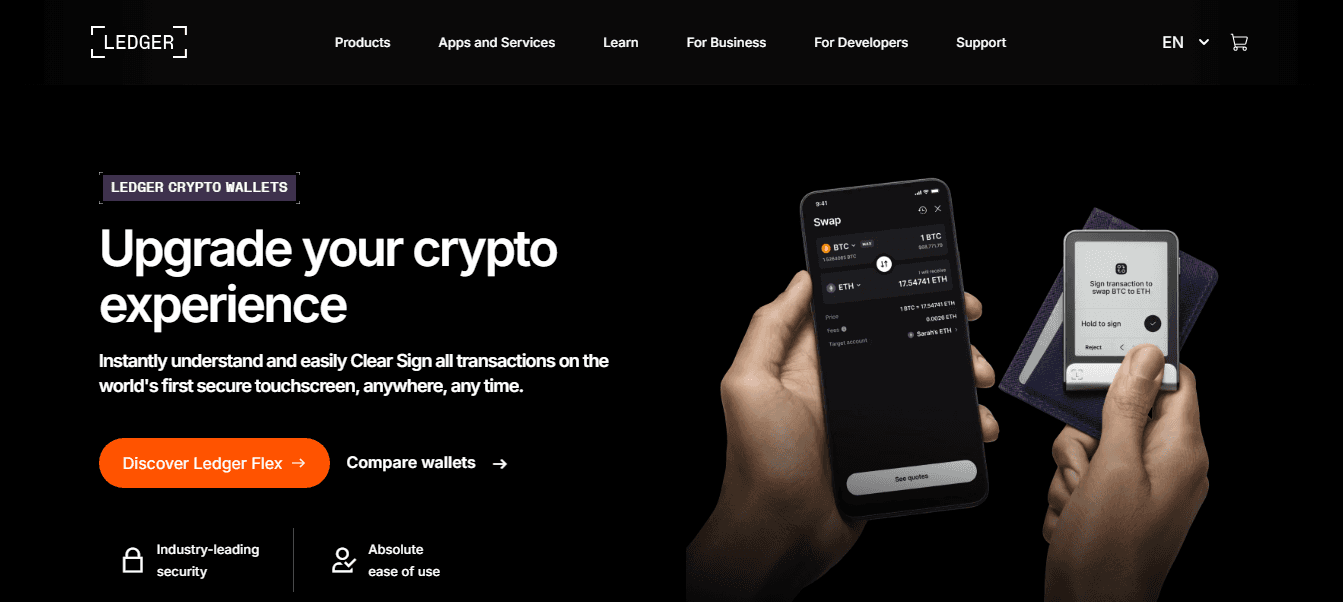
Ledger.com/Start – Step-by-Step Guide to Setting Up Your Ledger Wallet Safely
Cryptocurrency security begins with proper self-custody, and Ledger is one of the most trusted names in hardware wallets. Ledger.com/start is the official and secure starting point for setting up your Ledger device. Whether you are a beginner or an experienced crypto holder, this guide will help you understand how to set up your Ledger wallet, protect your assets, and use Ledger Live efficiently.
What Is Ledger.com/Start?
Ledger.com/start is the official onboarding page created by Ledger to guide users through the safe setup of their hardware wallets. It ensures that you:
Download the genuine Ledger Live application
Initialize your device securely
Protect your private keys and recovery phrase
Avoid phishing websites and fake software
Using Ledger.com/start is essential because crypto security depends on following verified and trusted steps from the official source.
Why Choose a Ledger Hardware Wallet?
Ledger hardware wallets are designed to keep your private keys offline, away from hackers and malware. Unlike exchanges or mobile wallets, Ledger gives you complete ownership and control over your digital assets.
Key Benefits of Using Ledger
Cold storage security (offline private keys)
Secure Element chip used in banking systems
Support for 5,000+ cryptocurrencies and tokens
Physical confirmation of transactions
Protection from online attacks and phishing
By starting at Ledger.com/start, you activate these features in the safest way possible.
What You Need Before Getting Started
Before you begin the setup process on Ledger.com/start, prepare the following:
A Ledger hardware wallet (Nano S Plus or Nano X)
A computer or smartphone with internet access
USB cable or Bluetooth connection (Nano X)
Pen and paper to write down the recovery phrase
A private and secure environment
Taking these precautions helps avoid errors during setup.
Step-by-Step Guide to Ledger.com/Start Setup
Step 1: Visit Ledger.com/Start
Open your web browser and type Ledger.com/start manually. Never trust links from emails or ads, as they may lead to fake websites.
Step 2: Download Ledger Live
From the official page, download Ledger Live, the application used to manage your crypto assets. Ledger Live is available for:
Windows
macOS
Linux
Android
iOS
Step 3: Install and Launch Ledger Live
Install Ledger Live on your device and open it. Choose:
“Set up a new device” if this is your first Ledger
“Restore from recovery phrase” if you already have a wallet
Step 4: Connect Your Ledger Device
Connect your Ledger device using a USB cable or Bluetooth (Nano X). Follow the on-screen instructions carefully.
Step 5: Create a PIN Code
Set a PIN code directly on your Ledger device. This PIN prevents unauthorized access. Choose a secure PIN and never share it.
Understanding the 24-Word Recovery Phrase
What Is a Recovery Phrase?
During setup, Ledger generates a 24-word recovery phrase. This phrase is the master key to your wallet.
Why the Recovery Phrase Is Critical
It is the only way to recover your funds if the device is lost or damaged
Anyone with this phrase can access your crypto
Ledger does not store your recovery phrase
Best Practices to Protect Your Recovery Phrase
Write it down on paper only
Never store it digitally or online
Keep it in a safe, private location
Never share it with anyone
Ledger.com/start places strong emphasis on this step because it is the foundation of your wallet’s security.
Installing Cryptocurrency Apps on Ledger
After setup is complete:
Open Ledger Live
Navigate to the Manager section
Install apps for the cryptocurrencies you want to store
Ledger supports popular assets like Bitcoin, Ethereum, XRP, Solana, and thousands of other tokens.
Adding Accounts and Managing Crypto Assets
How to Add Accounts
Once apps are installed, add accounts in Ledger Live to track balances and transactions.
Sending and Receiving Cryptocurrency
Generate secure receiving addresses using Ledger Live
Confirm transaction details on the Ledger device screen
Private keys never leave the hardware wallet
This process ensures maximum safety for every transaction.
Keeping Your Ledger Wallet Secure Over Time
Crypto security is ongoing. Follow these best practices:
Always download updates from Ledger.com/start
Keep Ledger Live up to date
Verify transaction details on the device screen
Ignore messages asking for your recovery phrase
Enable additional features like passphrase protection if needed
Ledger will never contact you to ask for your recovery phrase—any such request is a scam.
Common Ledger.com/Start Issues and Solutions
Ledger Device Not Detected
Try a different USB cable or port
Restart Ledger Live and your computer
Update device firmware through Ledger Live
Forgot Your PIN Code
Reset your Ledger device
Restore access using your 24-word recovery phrase
Ledger Live Installation Problems
Ensure your system meets requirements
Download only from Ledger.com/start
Temporarily disable conflicting antivirus software
Who Should Use Ledger.com/Start?
Ledger.com/start is ideal for:
Crypto beginners seeking secure storage
Long-term investors and holders
NFT and DeFi users
Anyone who wants full control of their private keys
If you value ownership and security, Ledger is a strong choice.
Final Thoughts on Ledger.com/Start
Ledger.com/start is the safest and most reliable way to set up your Ledger hardware wallet. By following the official steps, protecting your recovery phrase, and using Ledger Live correctly, you gain complete control over your cryptocurrency with industry-leading security.
Whether you are storing Bitcoin long term or actively managing multiple crypto assets, Ledger helps keep your investments safe and under your control.